Dual demand
Industrial and investment demand can influence silver at the same time and for different reasons.
Precious metal guide
Silver combines a long monetary history with broad technical uses. This dual role creates opportunities, but can also make its price react strongly to changing expectations.
In brief
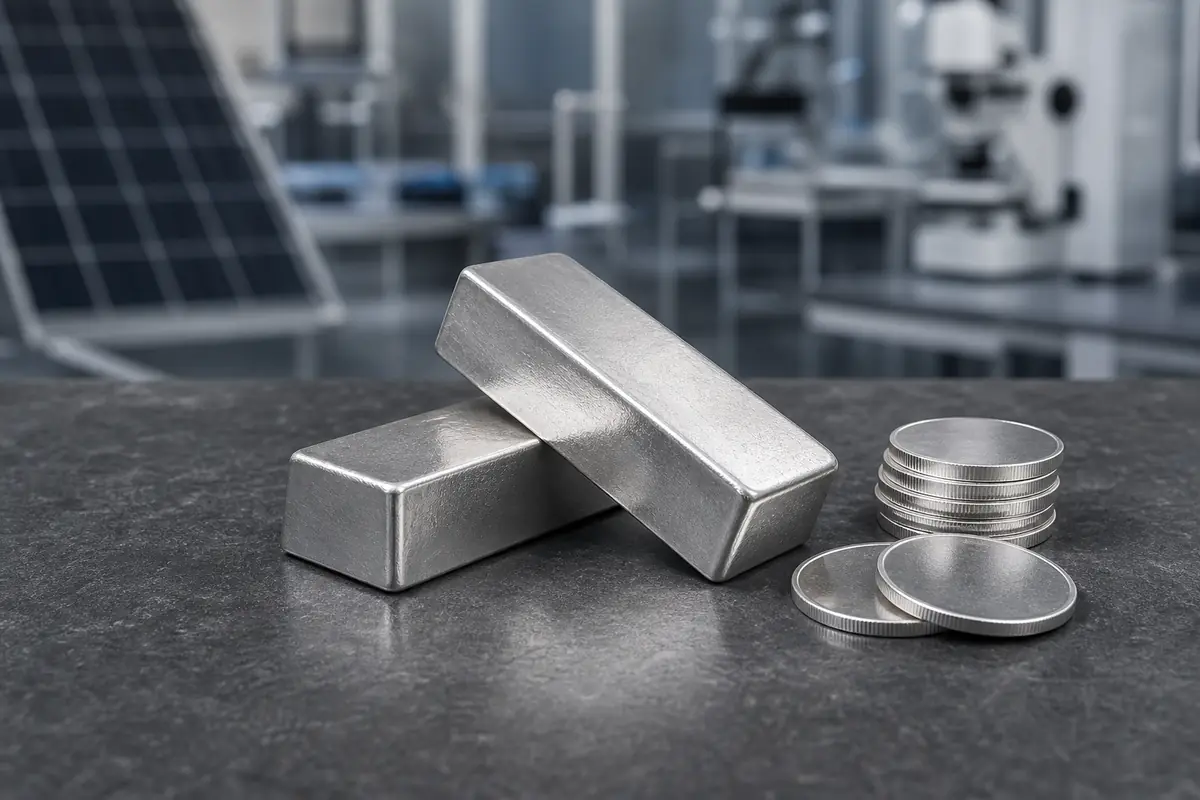
Silver conducts electricity and heat exceptionally well and is used in electronics, contacts, catalysts, mirrors and other technical applications. Investment demand is another part of its market.
Industrial and investment demand can influence silver at the same time and for different reasons.
Economic expectations, technology trends, currencies and investor behaviour can cause significant price movements.
For the same monetary value, silver generally requires more storage volume than gold. Custody costs therefore deserve attention.
Decision criteria
A sound comparison includes not only the market price, but also trading, custody and the contractual route back to liquidity.
In a precious-metal depot
Within Premium Elements 4.0, silver can complement gold, platinum and palladium. Its weighting should be based on the objective, horizon, risk tolerance and the desired balance between monetary and industrial influences.
Premium Elements 4.0 detailsContinue reading
Sources